
Lung Cancer
Screening Saves Lives
Lung cancer screening is not recommended for everyone. Ask your health care provider to share information on the potential benefits, risks, and limitations of lung cancer screening. Shared decision-making between you and your HCP is encouraged.1
The SAFE LUNGS questionnaire provides helpful, easy-to-understand information on lung health and, upon completion, a general summary of possible next steps will be available to you.
Start nowConsider the SafeLungs questionnaire if any of these apply to you2:

If you’re a tobacco smoker (including cigarettes, vape, waterpipe, shisha, or dokha/medwakh) or If you’re often around others who smoke at home or work.

If you’ve had any cancer before or If you have/had a first-degree family history of lung cancer.
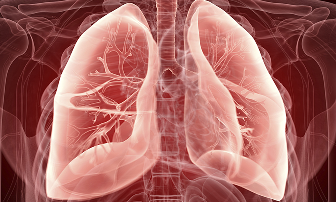
If you have a history of lung disease (e.g., chronic obstructive pulmonary disease or pulmonary fibrosis).
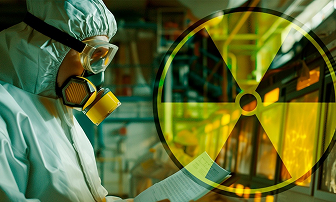
If you were exposed to Radon or if your work exposes you to silica, cadmium, asbestos, arsenic, beryllium, chromium, diesel exhaust, or nickel.
Take the assessment for yourself or for a loved one to understand the risks and symptoms.
Start nowEarly lung cancer is often quiet.
Recognizing the symptoms early can make all the difference3.
Recognize These
Warning Signs
Contact your health care provider if you're experiencing any of these symptoms, as they might be a sign of a lung disease, including lung cancer.
Shortness of breath1

Wheezing1

Pain in the chest1

Cough that lasts1

Persistent tiredness1

Recurrent infections4

Pain when swallowing1

Unexplained weight loss1
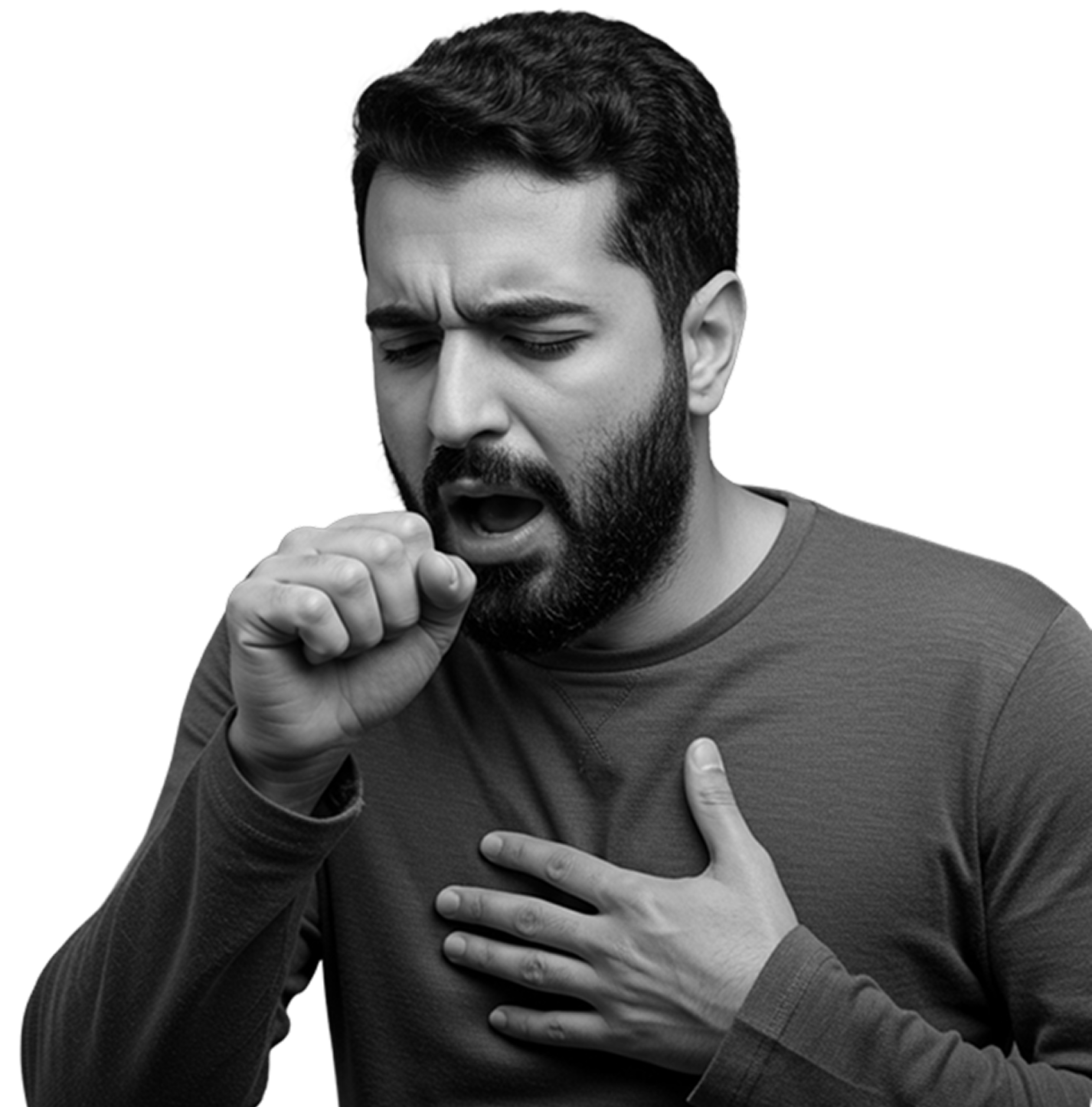
A Minute for your lungs
A cough that lingers, breath that feels shorter, or tiredness that doesn’t fade could all be signs worth listening to take a minute to pause, notice the signs, and protect your health. Do the SafeLungs assessment and find our your next steps.2